
Strengthening E-Rickshaw Driver Certification in Nepal: Insights from Mero Safari
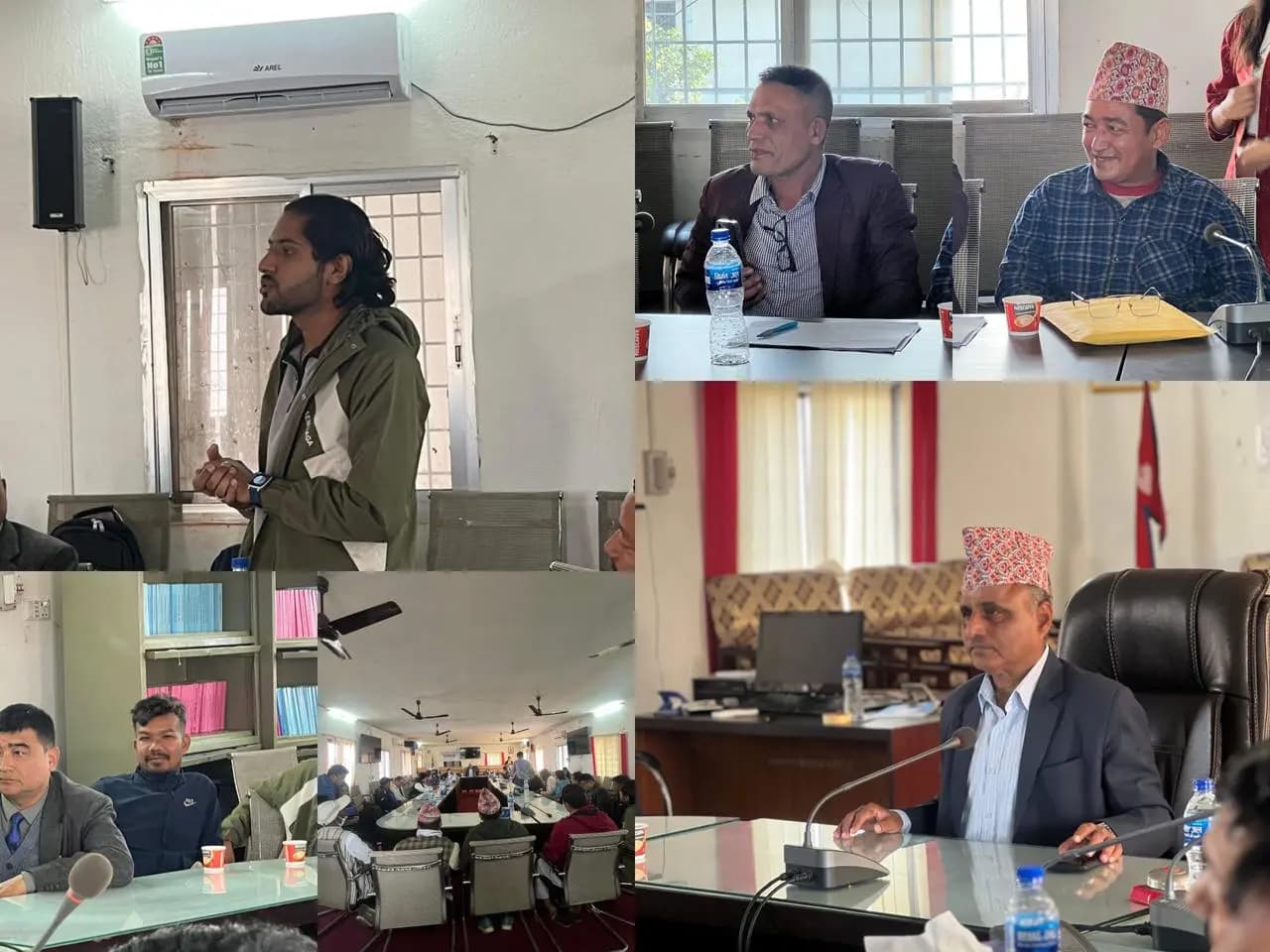
A constructive stakeholder discussion program on E-Rickshaw Driver Certification (License) in Nepal was successfully organized by Bikalpa N Alternative, aiming to improve the effectiveness and reliability of the existing licensing system. The program brought together transport experts, policymakers, private sector representatives, and mobility advocates to discuss challenges and future improvements in Nepal’s growing e-rickshaw ecosystem.
Active Participation from Mero Safari
During the discussion, Mr. Adarsha Ojha, Director of Mero Safari, shared valuable insights based on real-world experiences from operating a technology-driven e-rickshaw ride-sharing platform. He highlighted the day-to-day realities faced by e-rickshaw drivers and passengers at the grassroots level, emphasizing the urgent need for a more practical and responsible driver certification system.
Key Issues in E-Rickshaw Driver Licensing Raised by Mero Safari
Speaking on behalf of the private sector, Mr. Ojha stressed that e-rickshaw driver certification should go beyond formal paperwork and focus on developing skilled, disciplined, and passenger-friendly drivers.
Major Recommendations Included:
- Practical training over theory-based certification
- Mandatory education on road safety, traffic rules, and passenger behavior
- Training on digital ride-sharing apps and basic technology use
- Regular refresher training programs for already licensed drivers
- Strong coordination between local governments, transport offices, and ride-sharing companies
According to Mr. Ojha, an effective licensing system directly impacts public trust, passenger safety, and the long-term sustainability of electric mobility in Nepal.
Role of Technology and the Private Sector in E-Mobility
Drawing from Mero Safari’s operational experience, Mr. Ojha highlighted how technology-based monitoring systems can improve driver accountability and service quality. Features such as:
- Driver performance tracking
- Passenger feedback and rating systems
- Digital compliance monitoring
can play a key role in ensuring that certified drivers remain professional, compliant, and service-oriented even after receiving their license.
He emphasized that public–private partnerships between certification authorities and ride-sharing platforms can significantly strengthen the overall e-rickshaw ecosystem.
Towards a Safer and Smarter E-Rickshaw Ecosystem in Nepal
The discussion concluded with a shared understanding that e-rickshaws are a vital component of Nepal’s urban and semi-urban transportation future. To ensure safety, reliability, and sustainability, driver licensing systems must evolve alongside technology and changing passenger expectations.
Commitment from Mero Safari
Mero Safari reaffirmed its commitment to collaborating with policymakers, civil society organizations, and local governments to promote:
- Safe and responsible e-rickshaw driving
- Well-regulated electric ride-sharing services
- Sustainable and eco-friendly urban mobility solutions in Nepal